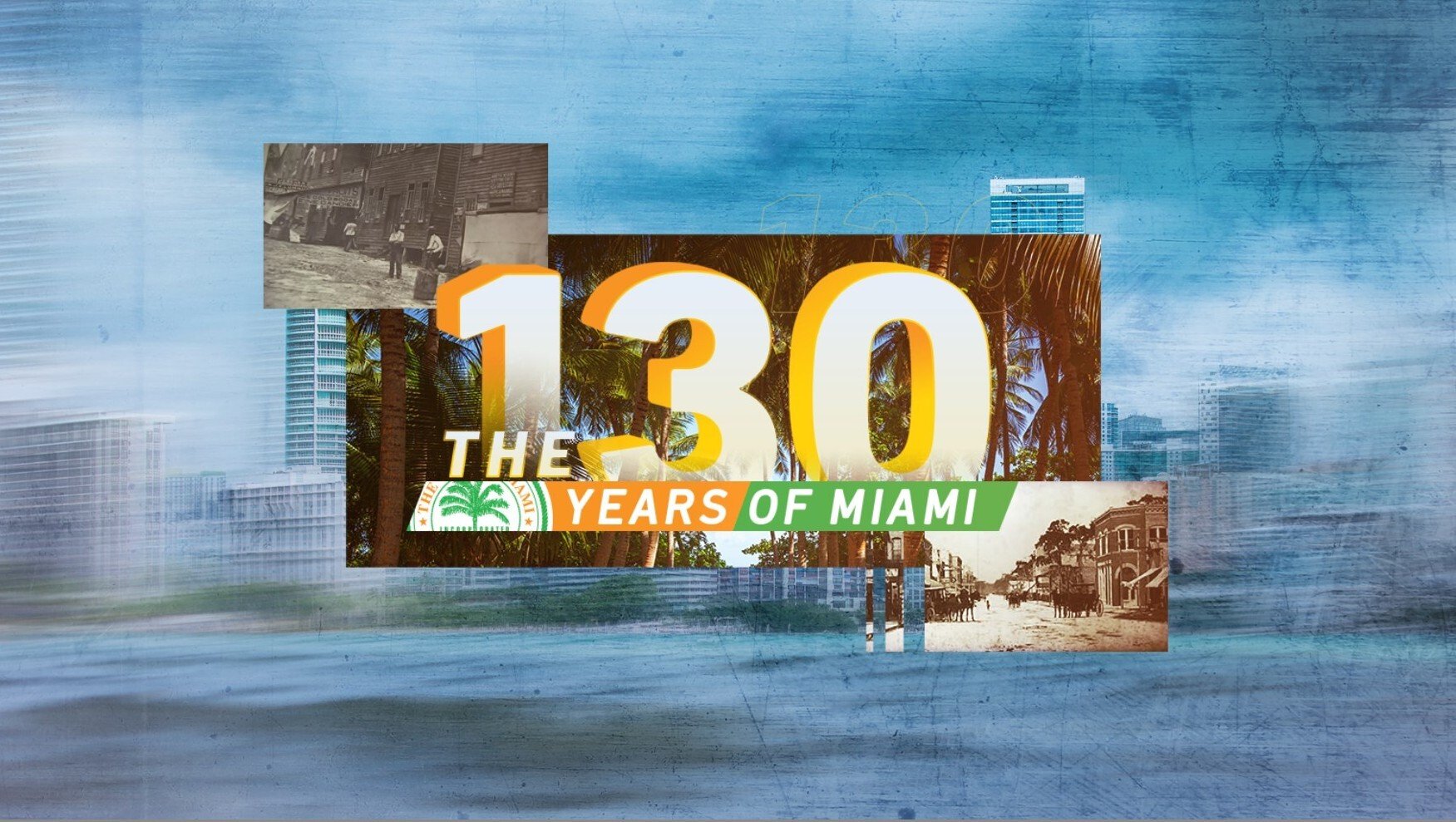
Celebrations are underway on Tuesday as the City of Miami turns 130.
Miami was founded in 1896 by Julia Tuttle, and is the only major city in the U.S. to be founded by a woman.
Tuttle, who purchased a citrus plantation when she arrived, was able to convince Henry Flagler to bring his railroad to Miami after the Great Freeze of 1894–1895 in Florida had no effect on her crops, which made Tuttle the sole producer of citrus for the year.
One hundred thirty years later, Miami became the “Gateway to Latin America,” which was aided by Miami International Airport.
Thousands of passengers have packed their bags and rolled through the gates and terminals at MIA, but they might not be aware of how the airport has impacted South Florida’s growth.
Starting with just two passengers, MIA has served as a global gateway to the world.
MIA started in 1927 as PanAm’s Airport and was the only airport to launch service to Miami, Key West and Cuba.
As Miami grew, so did the airport, and so did its connections to the Caribbean, Latin America and beyond.
For generations, MIA became more than a place to catch a flight. It became a front door to Miami, and for millions of people arriving from around the world, it was their first glimpse of the city.
The airport has also been a front-row seat to Miami’s history. From the Golden Age of air travel to waves of immigration that reshaped South Florida
For 130 years, Miami has been a city on the move, and for nearly a century, MIA has helped keep it moving by connecting people to places and helping make Miami an international city in every sense of the word.